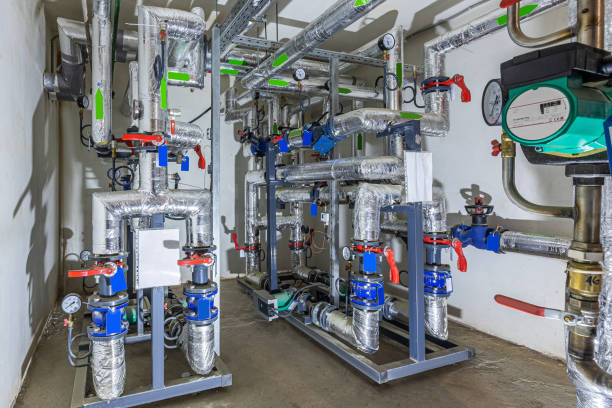
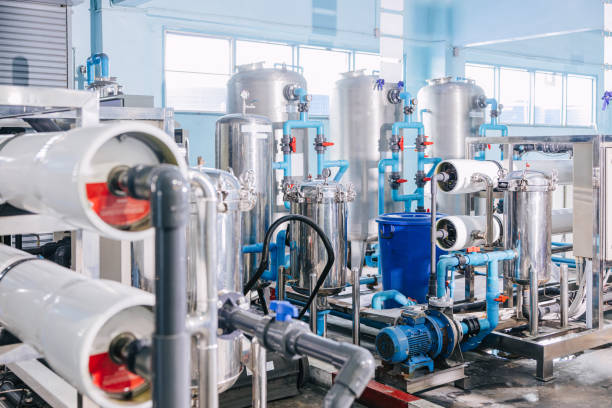
Engineering consultancy at senior level is not about generic advice — it is about delivering structured, evidence-based insight that supports confident decision-making.
Whether conducting feasibility studies, lifecycle assessments, or plant and equipment surveys, the objective is always the same: reduce uncertainty and improve control.
What Strategic Engineering Support Actually Means
Strategic engineering support is not a retainer arrangement, an advice line, or a management consultancy engagement. It is hands-on, technically grounded work — carried out by engineers who understand plant rooms, asset registers, structural surveys, and lifecycle costs from direct experience.
At SW Assured, this means working alongside estates teams, facilities managers, and infrastructure operators to translate raw technical data into clear, defensible decisions — filling gaps in in-house engineering resource at critical project stages, and providing independent technical assurance where internal teams lack bandwidth or specialist knowledge.
When Organisations Typically Engage
Strategic engineering support tends to become valuable at predictable points in an asset’s lifecycle. The most common triggers are:
Asset reviews and condition audits. When an organisation needs an independent view of what they have, what condition it is in, and what it will cost to maintain or replace over the next five to fifteen years.
Feasibility and options appraisal. When a significant capital decision is approaching and the available options require proper technical evaluation before commitment. This includes refurbishment versus replacement decisions, repurposing assessments, and compliance-driven upgrades.
Project oversight and interim support. When in-house engineering teams need additional senior resource to manage a specific phase of work — particularly for assets that are technically complex, poorly documented, or operationally critical.
Pre-transaction technical due diligence. Before acquiring, leasing, or disposing of property or operational assets, understanding the true technical condition and cost profile is essential. Strategic engineering support provides that clarity before commitments are made.
The Difference Between Advice and Actionable Insight
Most organisations already have access to technical advice — internal staff, framework contractors, or specialist consultants. The bottleneck is rarely advice. It is actionable insight: structured analysis that connects technical findings to commercial, operational, and compliance outcomes.
Knowing that a heat exchanger is approaching end of life is technically correct but commercially incomplete. Understanding what failure means operationally, what the procurement timeline looks like, what alternatives exist, and how the decision fits into a broader capital programme — that is strategic engineering support.
What Good Looks Like
The output of a strategic engineering engagement should do three things: reduce uncertainty through clear, evidenced findings; enable decision-making with recommendations specific enough to act on; and support accountability with documentation that can be shared with boards, funders, or insurers to justify the decision taken.
Strategic engineering support provides:
- Independent technical evaluation, free from contractor or supplier influence
- Risk-based prioritisation of capital and maintenance decisions
- Capital expenditure justification with supporting technical evidence
- Operational efficiency improvements grounded in actual site conditions
- Alignment between engineering performance and business objectives
SW Assured works across estates and facilities, marine and offshore, and complex private infrastructure. The technical context varies significantly. The commercial requirement — clarity, control, confidence — does not.
Engineering certainty is not achieved through assumptions. It is achieved through structured analysis, technical expertise, and strategic insight applied to the specific conditions of each asset and organisation.